October 13, 2026
Mechanical systems experience inevitable wear over extended periods, leaving residents sweating and uncomfortable during intense summer heat waves. A functioning air conditioning system provides essential relief from sweltering outdoor temperatures. When cooling equipment begins to falter, property owners face a significant decision regarding the best course of action to restore optimal indoor climates. Evaluating current mechanical performance helps clarify the entire situation.
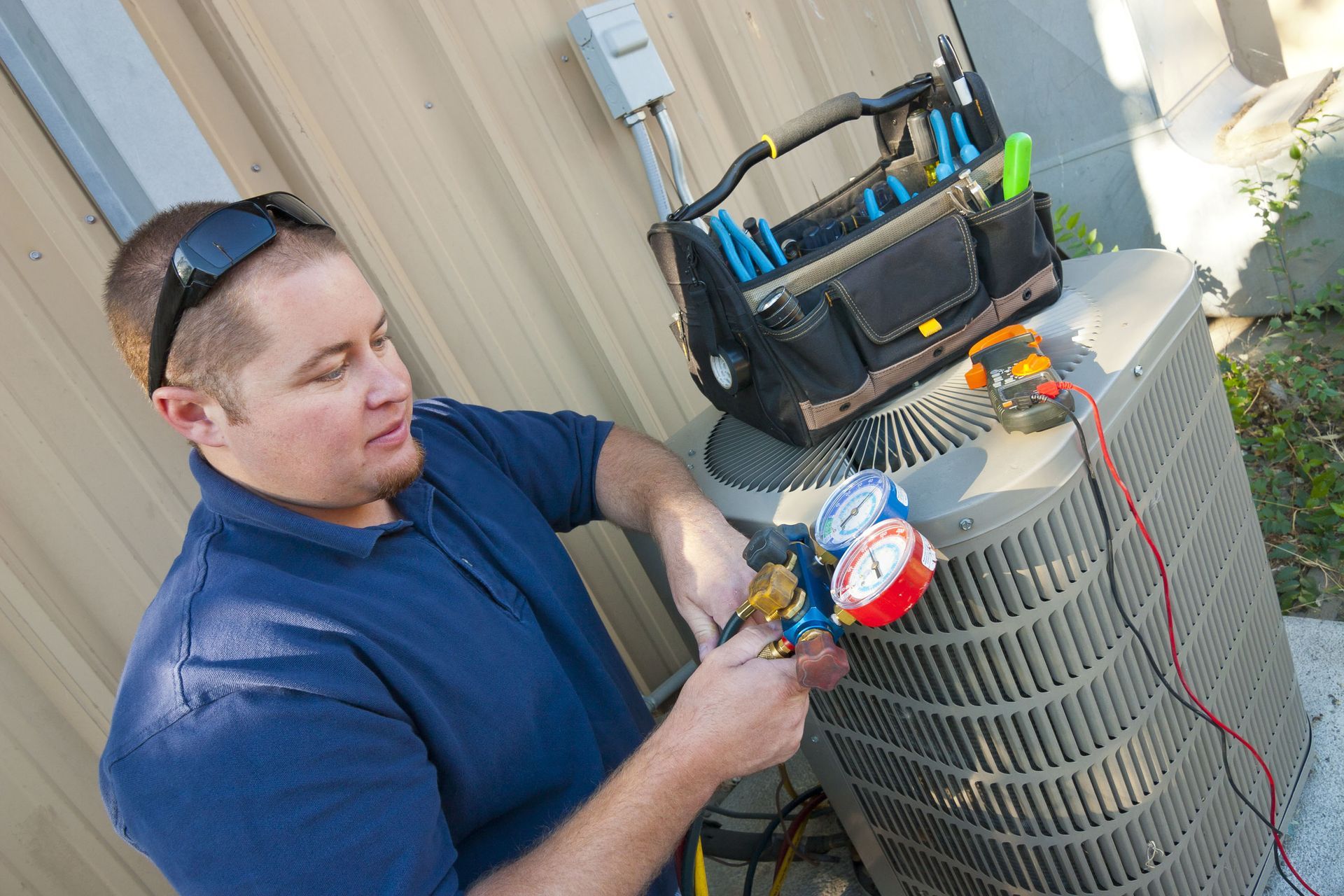
Choosing between minor fixes and complete equipment upgrades requires careful consideration of various vital factors. Homeowners must weigh immediate costs against long-term benefits to make an informed choice regarding the machinery. Deciding to schedule an AC repair might seem appealing for a quick resolution, but a thorough evaluation of the entire system remains necessary. Understanding specific mechanical indicators helps residents determine the most logical path.
Analyzing the System Age
The lifespan of cooling equipment serves as a primary indicator for vital decision-making processes. According to This Old House, HVAC systems usually last between 15 and 20 years with proper maintenance. Knowing the exact installation date gives property owners a clear starting point for evaluating the current machinery. Systems approaching the end of their expected operational life demand closer scrutiny when serious malfunctions occur.
Older machinery struggles to keep up with modern efficiency standards required for modern living. As internal components degrade, the equipment strains to produce the same level of comfort and cooling. This increased strain accelerates the mechanical degradation process, leading to a steady decline in overall performance. Property owners notice a gradual reduction in cooling capacity as the machinery ages past its expected operational prime.
A newer unit experiencing a minor malfunction requires nothing more than a simple and basic fix. In such situations, investing in an AC repair makes perfect financial sense and restores the system to peak condition. Technicians replace faulty sensors or clean dirty coils to extend the life of a young machine. Keeping newer models running through basic maintenance protects the initial capital investment of the residents.
Nursing an ancient machine through continuous breakdowns drains resources without offering a permanent, viable solution. At a certain point, the cost of keeping outdated equipment running exceeds the total value of the unit itself. Upgrading to a modern system eliminates the constant worry of an impending catastrophic failure. New installations provide peace of mind and reliable performance for many upcoming and intense cooling seasons.
Evaluating the Breakdown Frequency
Occasional operational hiccups happen with any mechanical device, but recurrent failures indicate a severe underlying issue within the machinery. Property owners keeping a record of technician visits notice an upward trend in expensive service calls. A system requiring multiple interventions within a summer season signals profound mechanical distress. Continual breakdowns disrupt daily routines and leave residents suffering in hot environments while waiting for professional service.
The nature of the malfunctions plays a crucial role in the entire evaluation and decision process. Minor sensor recalibrations differ from catastrophic compressor failures or severe refrigerant fluid leaks. When critical internal components suffer recurrent failures, the core machinery lacks the stability needed for consistent, daily operation. A deteriorating core architecture guarantees future system complications and escalating maintenance requirements for the property owner.
Addressing isolated incidents with a standard AC repair keeps functional systems in optimal condition without major interruptions. A damaged fan belt or a blown fuse presents a minor obstacle that trained professionals resolve with ease. Fixing these isolated problems restores comfort without requiring a massive and overwhelming financial commitment. Simple fixes represent standard maintenance procedures instead of signs of terminal equipment failure within the house.
When fixing a specific component causes another vital part to fail, the entire system sits on the brink of total collapse. This domino effect traps homeowners in a cycle of endless spending and ongoing, stressful frustration. Breaking this destructive cycle requires acknowledging the sheer futility of patching a dying machine. A total replacement restores climate stability to the household and halts the endless service calls.
Reviewing the Financial Impact
Utility bills provide a transparent view of cooling equipment efficiency and daily energy consumption patterns. Sudden spikes in energy costs, without a corresponding increase in usage, highlight internal system struggles and mechanical strain. Inefficient machines consume excess electricity to reach the desired thermostat setting, increasing monthly operational expenses. Homeowners monitoring utility statements spot these negative trends and identify failing equipment before a total shutdown occurs.
The financial burden of constant fixes adds another complex layer to the equipment evaluation decision. Property owners must calculate the cumulative cost of ongoing maintenance versus the substantial upfront price of new machinery. A common industry guideline suggests replacing the unit if the cost to fix it exceeds a substantial fraction of the total replacement value. This basic calculation helps clarify a confusing financial dilemma.
An inexpensive AC repair solves the efficiency problem and returns utility bills to standard, normal levels. Sealing a leaky duct or replacing a clogged filter reduces system strain and lowers overall energy consumption. Residents must explore these affordable options before committing to a capital expenditure. Restoring basic efficiency through minor mechanical adjustments keeps money in the bank and the residential house cool.
Modern air conditioning units boast advanced technology designed to minimize electricity usage. Installing high-efficiency models creates substantial reductions in monthly utility expenses, allowing the new system to offset its installation cost over time. Local governments and regional utility companies offer excellent rebates for energy-efficient upgrades, reducing the initial financial sting. A full replacement represents a strategic long-term investment in positive household economics.
Assessing the Overall Comfort
The ultimate purpose of residential cooling systems involves maintaining a pleasant and consistent indoor climate. A failing machine struggles with uniform distribution of conditioned air throughout the expansive living space. Property owners notice significant temperature fluctuations from room to room during the hottest summer days. Some areas feel like iceboxes while others remain sweltering hot, indicating an inability to push air through the ductwork.
Poor humidity control represents another glaring symptom of declining equipment performance and mechanical age. Air conditioners remove moisture from the air during the cooling cycle, keeping the indoor environment crisp, healthy, and comfortable. When machinery ages or malfunctions, it loses this essential dehumidification capability, resulting in a sticky and unpleasant atmosphere. High indoor humidity levels breed dangerous mold and compromise the structural integrity of the property.
When airflow issues stem from a blocked vent or a minor blower motor malfunction, a standard AC repair restores balance to the indoor environment. Technicians clear system obstructions or calibrate blower speeds to ensure proper air distribution throughout the home. Minor adjustments yield significant improvements in overall household comfort and climate control. Simple interventions save the machinery and eliminate frustrating hot spots throughout the residence.
If the comfort issues persist despite professional interventions, the equipment lacks the capacity to service the property. Upgrading to a modern unit of the correct size guarantees consistent temperatures and superior moisture control for the residents. Advanced systems feature variable-speed motors that adjust output to match the precise cooling demands of the house. A complete equipment upgrade transforms an uncomfortable residence into a perfect, relaxing climate sanctuary.
Maintaining a cool indoor environment demands vigilance and a solid understanding of structural and mechanical limitations. Property owners must evaluate system age, monitor malfunction frequencies, track utility expenses, and assess overall comfort levels to make logical choices. Opting for a routine AC repair suits younger, healthy systems experiencing minor operational setbacks. Recognizing the tipping point where machinery becomes obsolete prevents ongoing frustration and wasted resources. If you are still unsure whether your home needs a full upgrade or a simple AC repair, reach out to our team at Ron's Fuel Inc. We will gladly evaluate your cooling system and help you make the right decision for your comfort.